A dataset privacy audit is a systematic examination of an organization's stored data to identify privacy gaps, compliance risks, quality problems, duplicate records, and sensitive information that may be improperly managed. For data privacy and compliance professionals, this process represents one of the most fundamental activities in responsible data stewardship.
Without a structured approach to reviewing what data you actually hold, where it lives, and how it's protected, organizations operate blind to risks that can trigger regulatory penalties, reputational damage, and operational inefficiency. The stakes are real: GDPR fines alone exceeded €2.9 billion cumulatively by the end of 2023. A dataset privacy audit isn't optional anymore. It's the baseline expectation from regulators, customers, and boards of directors alike.
Key Takeaways
- A dataset privacy audit uncovers hidden compliance risks before regulators find them first.
- Duplicate records inflate costs and distort analytics, making deduplication a priority audit task.
- Sensitive data review should classify every field against applicable regulatory frameworks.
- Automated audit tools reduce manual review time by up to 70 percent on average.
- Regular audits strengthen data governance maturity and build stakeholder trust over time.
What Is a Dataset Privacy Audit and How Does It Work?
The Core Process
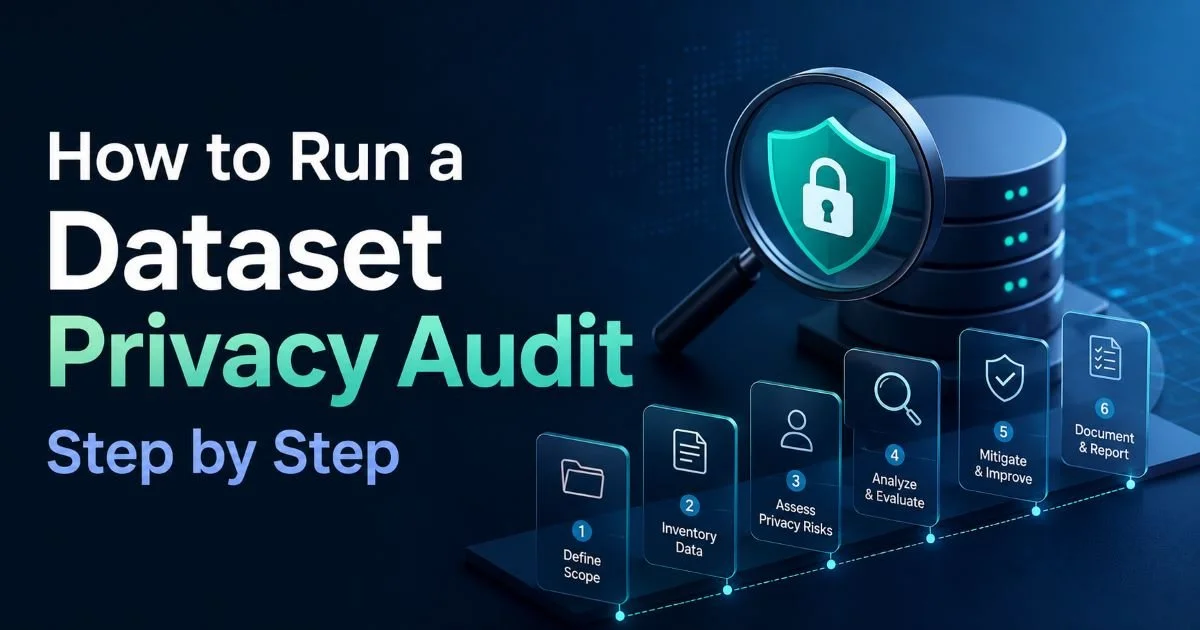
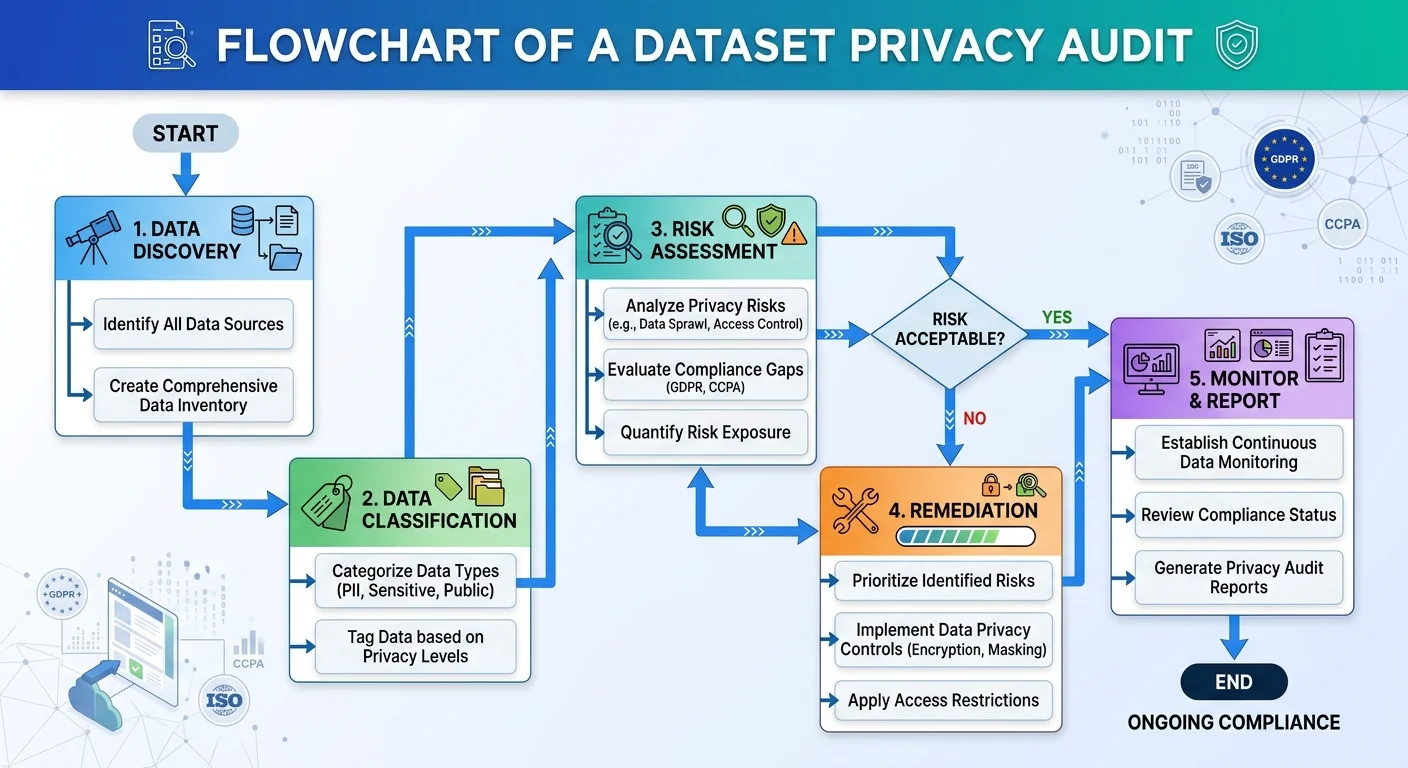
At its core, a dataset privacy audit follows a structured methodology. It begins with data discovery, where teams catalog every dataset across databases, cloud storage, SaaS applications, and legacy systems. Many organizations are surprised to find data stores they didn't know existed, sometimes called "shadow data." This discovery phase alone can reveal significant exposure. According to IBM's 2023 Cost of a Data Breach Report, 82% of breaches involved data stored in the cloud, making thorough discovery non-negotiable for modern organizations.
After discovery, the audit moves into classification and mapping. Each dataset is tagged by type (personal, financial, health, behavioral), sensitivity level, and applicable regulatory framework. This is where a sensitive data review becomes essential, because you cannot protect what you haven't classified. Teams map data flows to understand how records move between systems, who has access, and where copies or exports might create untracked exposure points. This mapping directly supports compliance risk assessment under regulations like GDPR, CCPA, and HIPAA.
What Gets Examined
The scope of examination includes data quality issues such as incomplete fields, inconsistent formats, and outdated records. It also targets duplicate records, which are surprisingly pervasive. Research from Gartner has estimated that poor data quality costs organizations an average of $12.9 million annually. Duplicates specifically create problems beyond wasted storage; they skew analytics, trigger multiple communications to the same individual, and complicate subject access requests. A thorough dataset privacy audit treats deduplication as a core activity, not a side benefit.
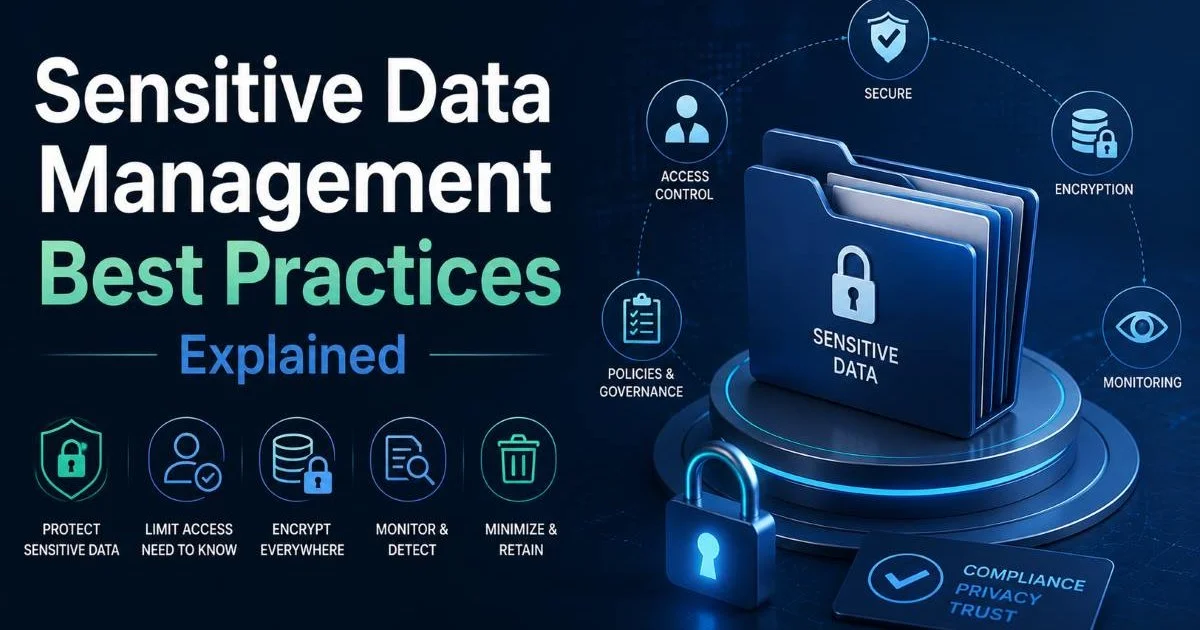
The audit also evaluates access controls, retention policies, encryption standards, and consent records. Are retention schedules being followed, or are departments hoarding data indefinitely? Do access permissions follow least-privilege principles? These questions form the backbone of the compliance risk assessment portion of any audit. Organizations that skip these checks often discover gaps only when a data subject complaint or regulatory inquiry forces the issue, which is the worst possible time to learn you have a problem.
Start your audit with a data inventory questionnaire sent to every department head to surface unknown datasets before the technical scan begins.
Why It Matters: Use Cases and Business Impact
Regulatory Compliance
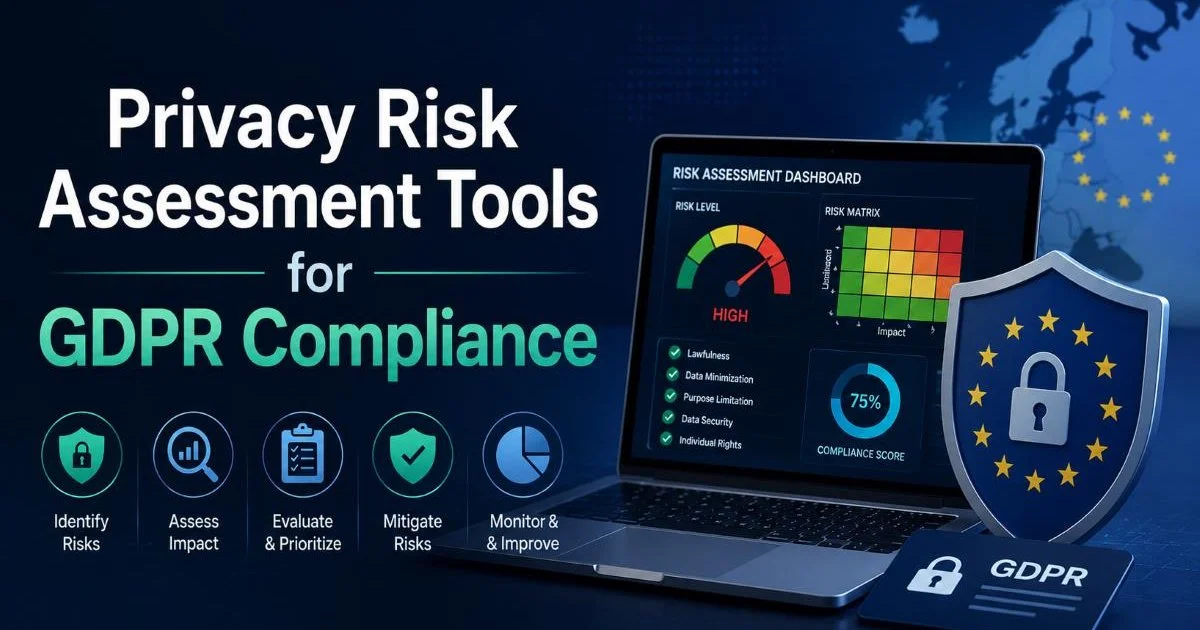
The most immediate driver for conducting a dataset privacy audit is regulatory compliance. GDPR Article 30 explicitly requires controllers to maintain records of processing activities. CCPA grants consumers the right to know what data businesses hold about them. HIPAA mandates safeguards for protected health information. Without a current audit, responding to any of these requirements accurately becomes guesswork. Organizations that invest in audit automation can dramatically reduce response times for regulatory inquiries while improving accuracy and consistency across reporting periods.
Beyond avoiding fines, compliance builds trust. A 2023 Cisco survey found that 94% of organizations said customers would not buy from them if data was not properly protected. Privacy has become a competitive differentiator, especially in B2B contexts where enterprise procurement teams now routinely evaluate vendors' data handling practices. Your audit documentation serves as evidence during these evaluations, often making the difference between winning and losing a contract. This is where the business case for regular audits becomes impossible to ignore.
Operational Efficiency
Data quality issues don't just create compliance headaches; they drain operational resources. Customer service teams waste time reconciling conflicting records. Marketing campaigns target the wrong segments because of duplicate records. Engineering teams build on unreliable data foundations. A well-executed audit identifies these problems and creates a remediation roadmap. Some organizations report reducing storage costs by 20 to 35 percent simply by removing redundant and obsolete data identified during the audit process.
Not every duplicate record should be deleted immediately. Some duplicates serve as backups or exist across systems for valid integration reasons. Always verify before purging.
The audit also creates a feedback loop for process improvement. When you discover that a particular onboarding form collects unnecessary data fields, you fix the form. When you find that a third-party integration creates unmonitored data copies, you renegotiate the integration terms. These incremental fixes compound over time into a significantly stronger data posture. Organizations with mature audit practices typically report fewer incidents, faster breach response, and smoother regulatory examinations.
"A dataset privacy audit isn't a one-time project; it's the recurring heartbeat of a mature data governance program."
Common Misconceptions About Data Auditing
One persistent misconception is that a dataset privacy audit is only necessary for large enterprises. In reality, small and mid-sized organizations face proportionally greater risk because they typically have fewer controls in place and less staff dedicated to privacy. A startup handling customer health data has the same HIPAA obligations as a Fortune 500 hospital system. Size doesn't exempt anyone from the regulatory frameworks that apply to the data they process. The scope of the audit scales with the organization, but the need for one does not.
Another common myth is that technology alone can handle the audit. While tools for automated scanning, classification, and deduplication are valuable, they require human judgment to interpret results. An automated scanner might flag a database field labeled "SSN" as sensitive, but it may miss a free-text notes field where employees have been pasting social security numbers informally. This is why evaluating the right AI and language models for privacy tasks matters. The best outcomes combine automated efficiency with expert human review for contextual understanding.
Never rely solely on file names or database labels to identify sensitive data. Unstructured fields, attachments, and log files frequently contain personal information that automated classifiers miss without proper configuration.
A third misconception involves timing. Some professionals treat audits as annual checkbox exercises, performing them only before a compliance deadline. This approach creates dangerous blind spots. Data environments change constantly: new applications get deployed, new vendors gain access, employees create ad hoc spreadsheets with customer data. Best practice calls for continuous or at least quarterly auditing cycles, with annual comprehensive reviews supplementing ongoing monitoring activities. The most effective programs embed audit checkpoints into data lifecycle processes rather than treating them as separate events.
Finally, there is the belief that once an audit is complete and issues are remediated, the organization is "done." Data governance is not a destination. New data sources, changing regulations, evolving business models, and staff turnover all introduce fresh risks. The audit cycle must repeat, with each iteration building on previous findings. Organizations that understand this invest in audit infrastructure rather than treating each cycle as an isolated project, and they see compounding returns from that investment.
How It Relates to Data Governance and Similar Concepts
Governance vs. Audit
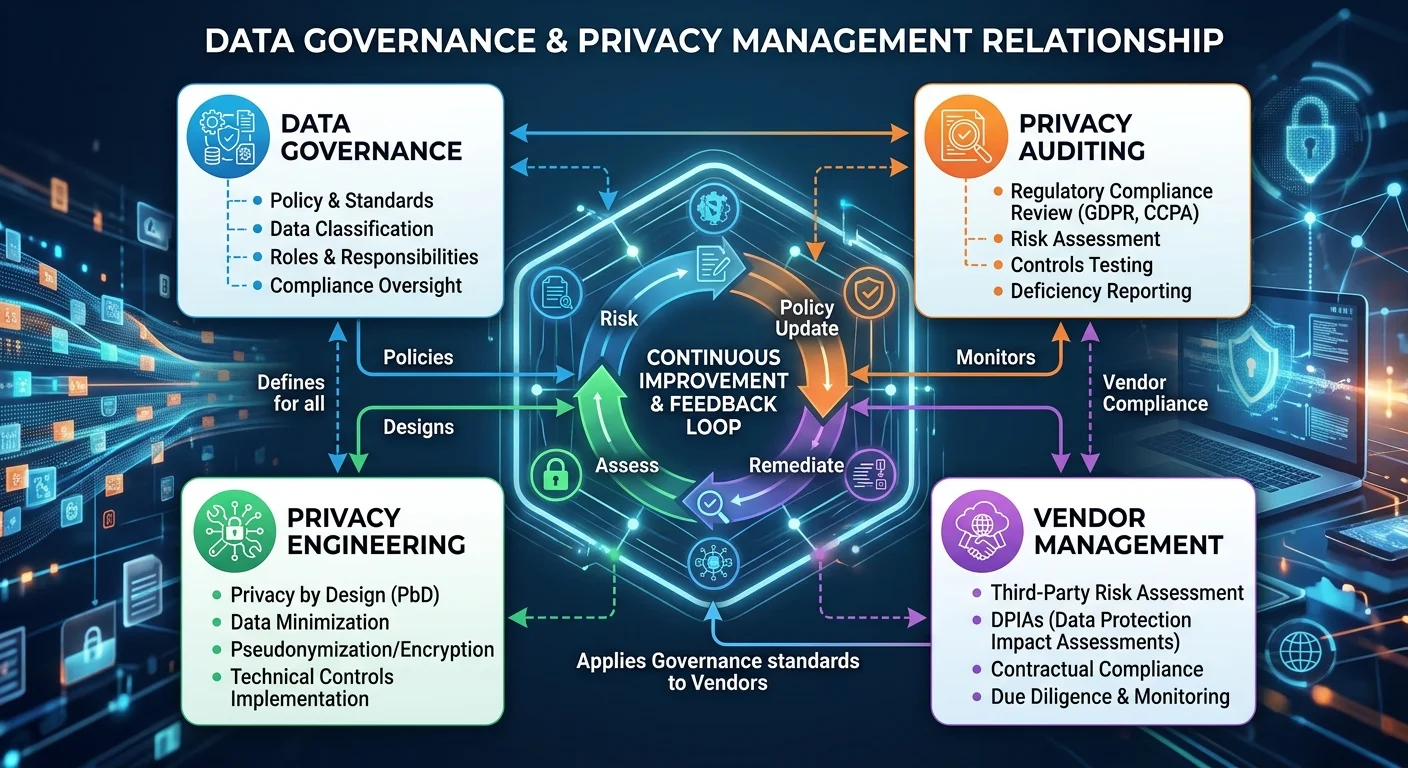
Data governance is the broader framework of policies, roles, standards, and processes that govern how data is managed across an organization. A dataset privacy audit is one activity within that framework. Think of governance as the constitution and the audit as the inspection that verifies whether the constitution's principles are being followed in practice. Without governance, audits lack standards to measure against. Without audits, governance policies remain theoretical. The two are deeply interdependent, and organizations that invest in one while neglecting the other consistently underperform.
Related activities include data impact assessments (DPIAs), which evaluate the privacy risks of specific processing activities before they begin. While a DPIA looks forward at planned processing, an audit looks across the current state of stored data. Penetration testing focuses on security vulnerabilities in systems, whereas a privacy audit focuses on the data itself: what it is, where it sits, who can access it, and whether its handling aligns with consent and policy. Each activity addresses a different dimension of risk, and together they form a comprehensive data protection strategy.
The Privacy Engineering Connection
Privacy engineering applies technical controls such as anonymization, pseudonymization, differential privacy, and access management to protect data by design. Audit findings frequently drive privacy engineering priorities. For example, if an audit reveals that a production database contains unmasked email addresses used for testing, the remediation might involve implementing automated data masking in non-production environments. This feedback loop between audit findings and engineering implementation is where theoretical privacy commitments become tangible protections. Teams at organizations investing in audit practices find that engineering and compliance work more productively when both share audit-driven insights.
The relationship extends to vendor management as well. Third-party risk assessments are a form of extended audit, examining whether your vendors and processors handle your data to the same standards you maintain internally. Compliance risk assessment doesn't stop at your organizational boundary. With the average company sharing data with over 580 third parties according to a 2022 Osano study, the surface area for privacy gaps extends far beyond your own infrastructure. A mature audit program accounts for this reality and includes vendor data handling within its scope.
Maintain a living audit findings register that tracks each issue from identification through remediation and verification. This register becomes invaluable during regulatory examinations.
Frequently Asked Questions
?How do you handle shadow data discovered during a dataset privacy audit?
?How does a dataset privacy audit differ from ongoing data governance?
?How long does a dataset privacy audit realistically take to complete?
?Is deduplication really worth prioritizing if records don't contain sensitive data?
Final Thoughts
A dataset privacy audit is not a luxury or an afterthought. It is the practical mechanism through which organizations understand their actual data risk posture rather than their assumed one. For privacy and compliance professionals, building repeatable, well-documented audit processes is one of the highest-value investments you can make.
The combination of data quality improvements, compliance readiness, and operational clarity generates returns that extend well beyond risk avoidance. Start with what you have, automate where possible, and treat every audit cycle as an opportunity to strengthen your organization's relationship with the data it holds.
Disclaimer: Portions of this content may have been generated using AI tools to enhance clarity and brevity. While reviewed by a human, independent verification is encouraged.