Privacy risk assessment tools for GDPR compliance have become essential instruments in every data protection professional's toolkit. With enforcement actions accelerating and fines reaching billions of euros since 2018, the margin for error has shrunk dramatically. Organizations that store personal data, whether customer records, employee files, or behavioral analytics, face real consequences when they fail to identify and mitigate privacy risks proactively.
This guide walks you through a practical, step-by-step process for selecting, implementing, and operating these tools effectively. Whether you're building a compliance program from scratch or strengthening an existing one, the right assessment framework can mean the difference between a clean audit and a regulatory nightmare. We'll cover everything from initial scoping to continuous monitoring, with specific tool recommendations and real configuration advice.
Key Takeaways
- Map all personal data flows before selecting any privacy risk assessment tool.
- Automated scanning tools reduce manual audit effort by up to 70 percent.
- Data Protection Impact Assessments are legally required for high-risk processing activities.
- Integration with existing IT infrastructure determines long-term tool effectiveness.
- Continuous monitoring outperforms periodic assessments for catching emerging compliance gaps.
Step 1: Map Your Data Landscape and Identify Processing Activities
Building Your Data Inventory
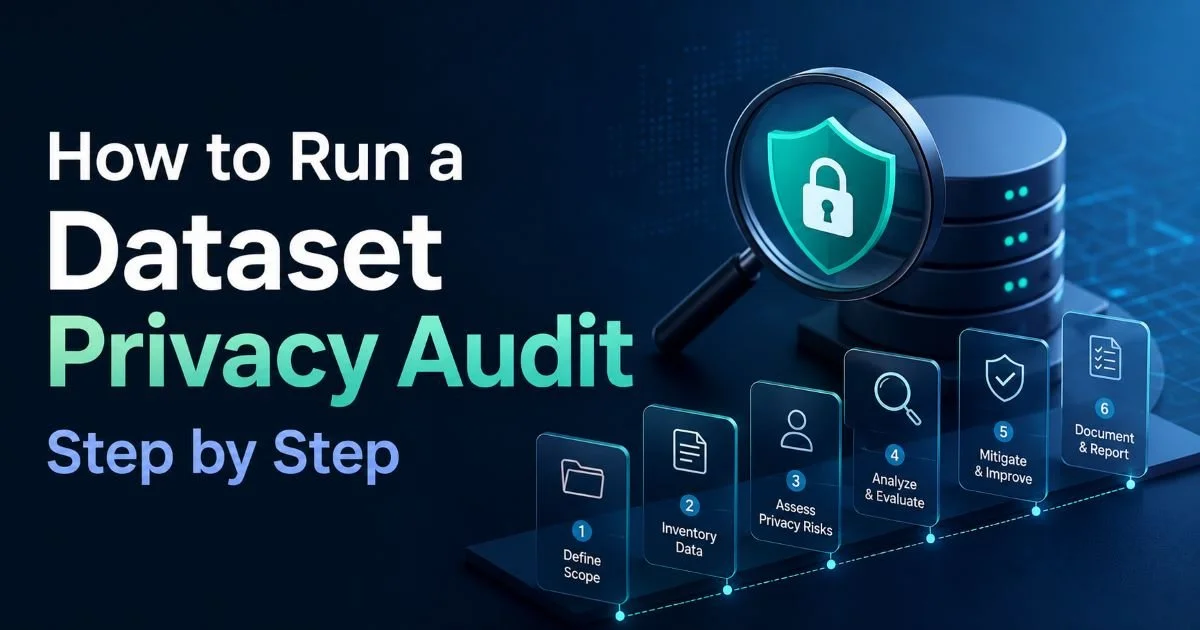
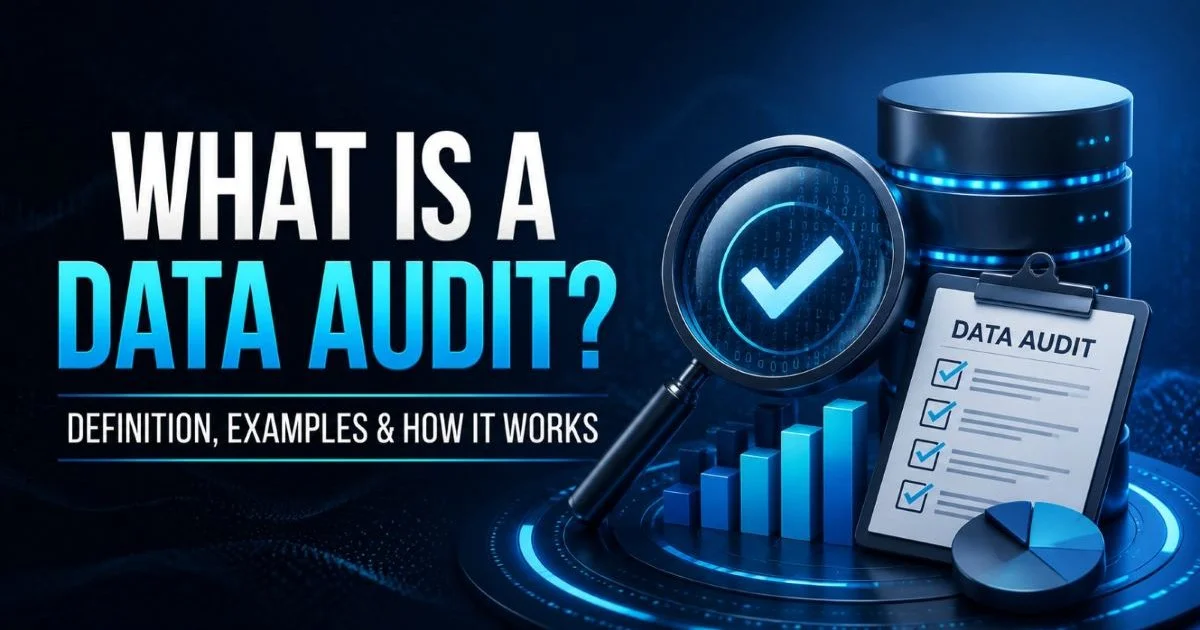
Before you evaluate a single tool, you need a clear picture of what personal data your organization holds and where it lives. Start by interviewing department heads across HR, marketing, sales, and IT. Document every system that touches personal data: CRM platforms, email marketing tools, payroll systems, analytics databases, and cloud storage. A thorough data audit forms the foundation of any meaningful risk assessment, because you cannot protect what you haven't cataloged.
Create a Records of Processing Activities (ROPA) document as required by GDPR Article 30. For each processing activity, note the categories of data subjects, the types of personal data involved, the legal basis for processing, and retention periods. Tools like data discovery scanners can accelerate this step by crawling databases, file shares, and SaaS applications to find personal data automatically. Many organizations discover shadow IT systems during this phase that hold sensitive data nobody knew about.
Classifying Sensitivity Levels
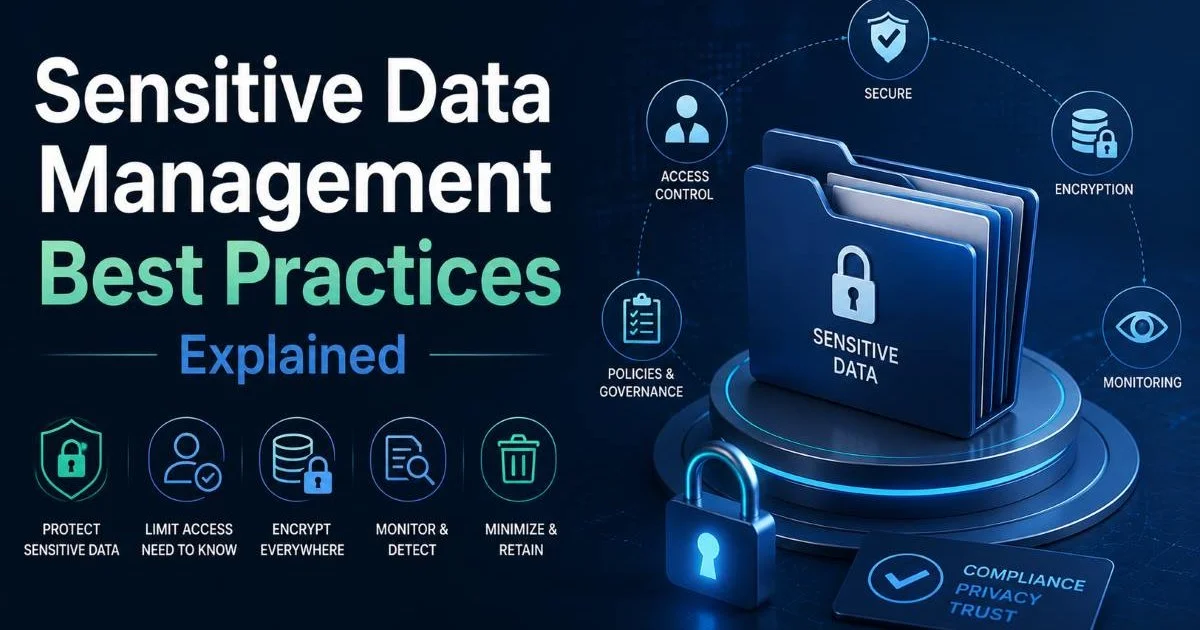
Not all personal data carries equal risk. GDPR Article 9 defines special categories including health data, biometric identifiers, racial or ethnic origin, and political opinions. Classify each data element on a scale from standard personal data (names, email addresses) to high-sensitivity categories. This classification directly determines which processing activities require a formal Data Protection Impact Assessment. Identity verification processes, for instance, often involve sensitive documents; organizations using KYC API solutions should carefully assess the biometric and identity data those systems handle.
Document data flows between systems, including third-party transfers and cross-border movements. Any transfer outside the EEA triggers additional compliance obligations under Chapter V of the GDPR. Pay special attention to data shared with processors, sub-processors, and cloud providers. A visual data flow diagram makes it far easier to spot high-risk pathways during the actual assessment phase.
Use a standardized data classification taxonomy across all departments to prevent inconsistent labeling that creates blind spots in your risk assessments.
Step 2: Select Privacy Risk Assessment Tools for GDPR Compliance
Commercial Platforms
The market for privacy risk assessment tools for GDPR compliance has matured significantly since 2018. Enterprise-grade platforms like OneTrust, TrustArc, and BigID offer comprehensive suites that combine data discovery, risk scoring, DPIA templates, and regulatory tracking. OneTrust, for example, includes over 100 pre-built assessment templates mapped to GDPR articles and recitals. BigID specializes in AI-driven data classification, which is particularly useful for organizations with large, unstructured data environments where manual classification is impractical.
Pricing varies widely. Enterprise platforms typically run between $50,000 and $500,000 annually depending on the number of users, data sources, and modules deployed. Mid-market options like Securiti.ai and Osano target companies with 500 to 5,000 employees at lower price points, usually between $15,000 and $75,000 per year. Evaluate vendors not just on features but on the depth of their regulatory content libraries, frequency of updates, and quality of their professional services teams.
Open-Source and Framework Options
Budget-conscious organizations have viable alternatives. The French data protection authority (CNIL) offers a free, open-source PIA tool specifically designed for GDPR compliance. It walks users through the assessment methodology described in GDPR Article 35 and generates exportable reports. While it lacks automated data discovery, it provides a solid framework for structured risk evaluation. The NIST Privacy Framework and ISO 27701 also offer assessment methodologies that map well to GDPR requirements.
Consider hybrid approaches: use an open-source framework for the assessment methodology while pairing it with standalone data discovery tools like Apache Atlas or Amundsen for cataloging. This combination can deliver 80 percent of what commercial platforms offer at a fraction of the cost. The trade-off is integration effort and the absence of a unified dashboard for reporting. For organizations processing data at significant scale, the investment in a commercial platform typically pays for itself through reduced manual labor.
Also Read: Best Metadata Validator Tools for Link Previews
"The best privacy risk assessment tool is the one your team will actually use consistently, not the one with the longest feature list."
Step 3: Conduct Assessments and Document Findings
Running Your First DPIA
With your tools in place, begin with your highest-risk processing activities. GDPR Article 35 mandates DPIAs for systematic monitoring of public areas, large-scale processing of special categories, and automated decision-making with legal effects. Configure your chosen tool with the specifics of the processing activity: purpose, scope, necessity assessment, and proportionality analysis. Most platforms generate a structured questionnaire that guides assessors through each required element.
Involve stakeholders beyond the privacy team. IT security should assess technical controls, business owners should validate processing purposes, and legal should confirm the lawful basis. A DPIA conducted in isolation by the DPO rarely captures the operational reality of how data is actually handled. Schedule working sessions of 60 to 90 minutes per processing activity, with pre-work assigned to each stakeholder. This approach typically produces assessment reports within two to three weeks per high-risk activity.
Scoring and Prioritizing Risks
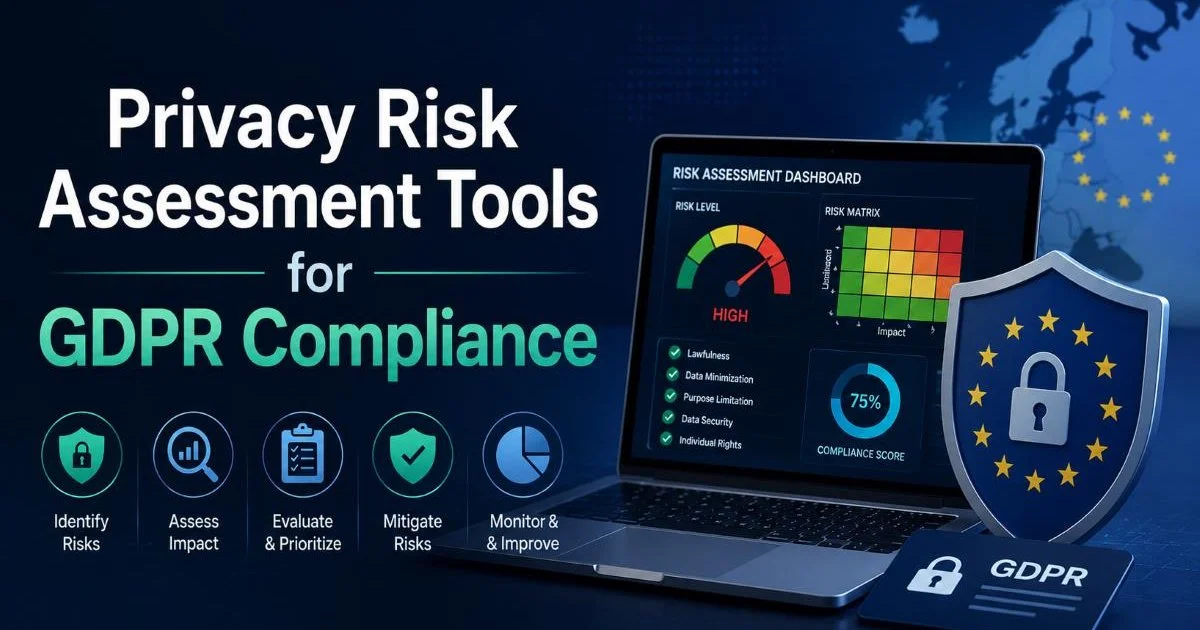
Apply a consistent risk scoring methodology across all assessments. Most privacy risk assessment tools for GDPR compliance use a likelihood-times-impact matrix, typically on a scale of 1 to 5 for each dimension. A data breach affecting 10 million customer records with health information would score high on both axes, resulting in a critical risk rating. An email newsletter sign-up form collecting only names and addresses might score low on impact and moderate on likelihood, yielding a manageable risk level.
Document residual risk after accounting for existing controls. If encryption at rest and in transit is already implemented, the residual risk score for data in that system should reflect that mitigation. Create a risk register that tracks each identified risk, its raw score, applied controls, residual score, risk owner, and target remediation date. This register becomes your primary artifact for demonstrating accountability under GDPR Article 5(2). Export it regularly and store versions for audit trail purposes.
Never mark a high-risk processing activity as "acceptable" without documented mitigation measures. Supervisory authorities specifically look for this pattern during investigations.
Step 4: Implement Continuous Monitoring and Remediation Workflows
Automating Ongoing Scans
A one-time assessment is insufficient. Data environments change constantly as new applications are deployed, vendors are onboarded, and business processes evolve. Configure your privacy risk assessment tools for GDPR compliance to run automated scans on a recurring schedule. Weekly data discovery scans catch new personal data stores before they become compliance liabilities. Monthly control validation checks verify that encryption, access controls, and anonymization measures remain operational.
Set up alerts for specific trigger events: a new database containing personal data, a change in data flow to a non-EEA country, or a third-party vendor failing a security questionnaire. Most enterprise platforms support webhook integrations with Slack, Microsoft Teams, or Jira, allowing privacy findings to flow directly into existing operational workflows. This reduces the mean time from detection to remediation, which regulators increasingly view as a measure of organizational maturity.
Automated scanning tools may generate false positives when they encounter test data or pseudonymized datasets. Establish a triage process to validate findings before escalating.
Building Remediation Pipelines
Every identified risk needs a clear path to resolution. Create tiered response workflows based on risk severity. Critical risks (score 20 to 25) should trigger immediate escalation to the DPO and CISO with a 72-hour remediation target. High risks (score 15 to 19) require a remediation plan within two weeks. Medium and low risks can follow standard change management timelines. Assign every remediation task to a named individual, not a department or team, to establish clear accountability.
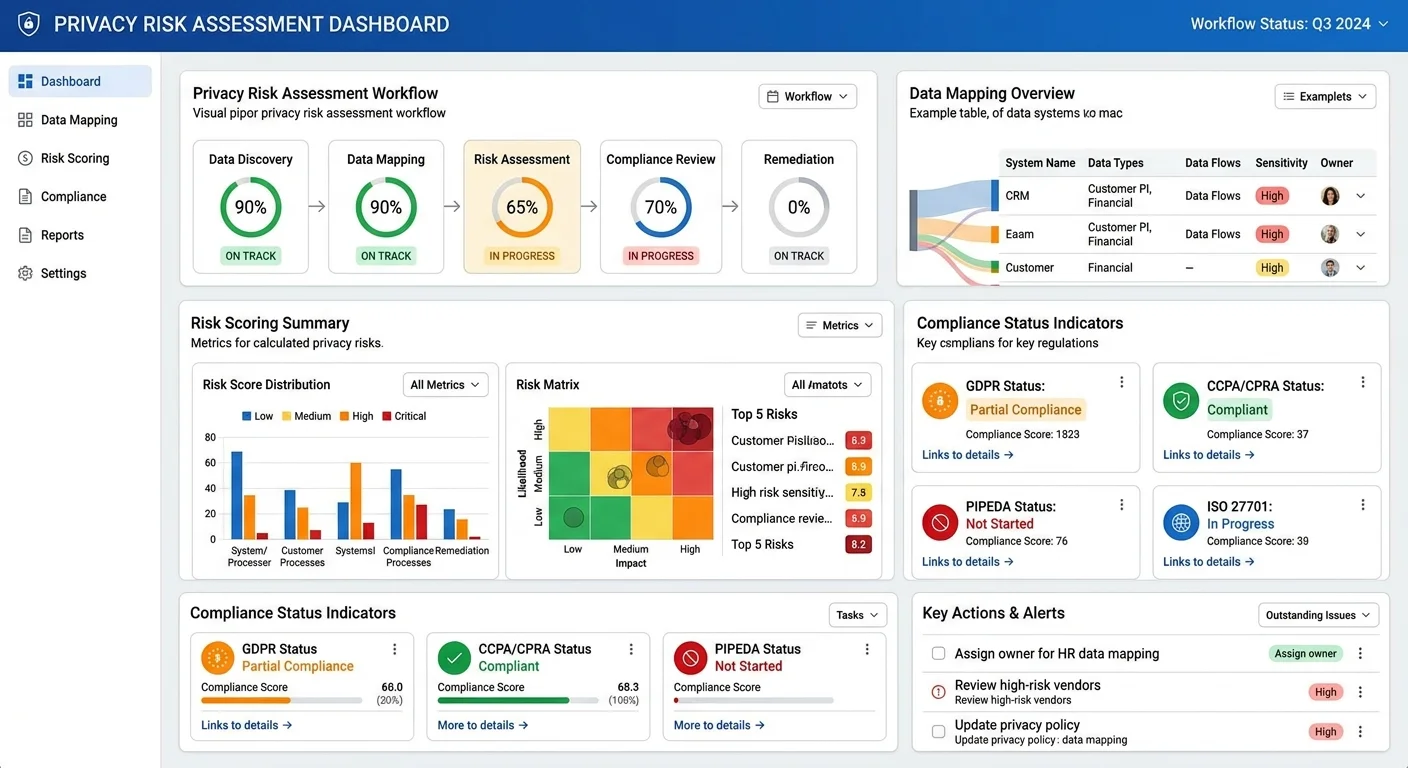
Track remediation progress in your risk register and generate monthly dashboards for senior leadership. Include metrics like open risks by category, average time to remediate, and trend data showing whether your overall risk posture is improving. These dashboards serve a dual purpose: they keep executives informed and they produce documentary evidence of your organization's commitment to ongoing compliance. When a supervisory authority asks how you manage privacy risk, a well-maintained dashboard with 18 months of trend data speaks louder than any policy document.
Schedule quarterly reviews of your complete risk register with the DPO, CISO, and business leadership to recalibrate risk scores as your threat landscape and processing activities change.
Frequently Asked Questions
?How do I build a ROPA document before choosing a tool?
?Are open-source GDPR assessment frameworks as reliable as paid platforms?
?How long does an initial data mapping exercise realistically take?
?Is periodic assessment enough if continuous monitoring feels too costly?
Final Thoughts
Building a robust privacy risk assessment program is not a one-time project but an ongoing discipline. The tools available today, from enterprise platforms to open-source frameworks, provide the infrastructure to identify, score, and remediate privacy risks systematically. What matters most is consistent execution: regular scans, thorough documentation, and clear remediation ownership.
Start with your highest-risk processing activities, prove the methodology works, and then expand coverage across your organization. The investment in proper tooling and process pays dividends not only in regulatory compliance but in the trust you build with every person whose data you hold.
Disclaimer: Portions of this content may have been generated using AI tools to enhance clarity and brevity. While reviewed by a human, independent verification is encouraged.